
Our Team
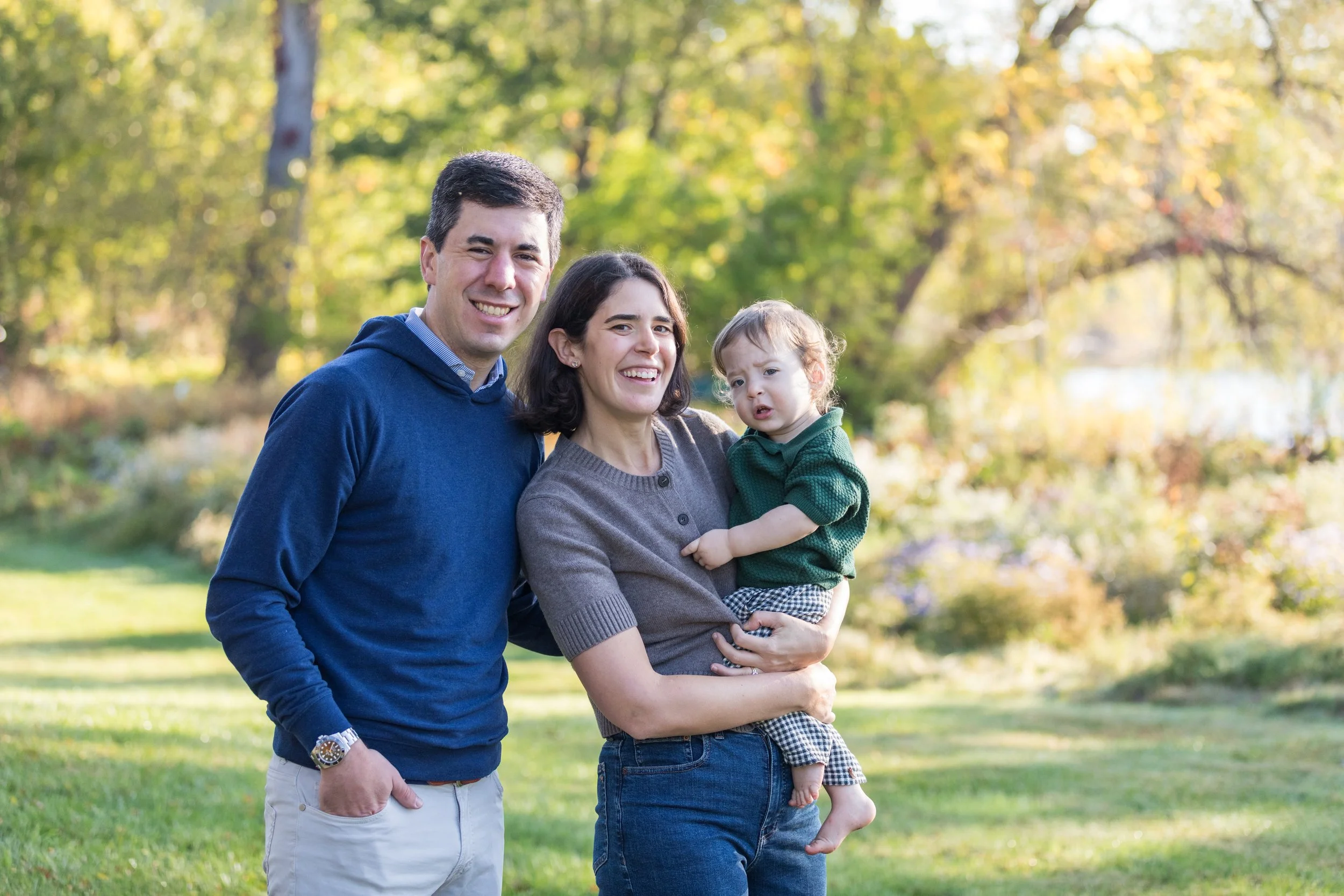
Eliza and Ethan Goldwasser
Founder and Co-Founder, AUTS2 Research Collaborative
Eliza and Ethan Goldwasser founded the AUTS2 Research Collaborative following their son’s diagnosis with the goal of accelerating research and therapeutic development for AUTS2 syndrome.
Eliza leads the Collaborative’s strategy and day-to-day work. She is building a coordinated effort to bring together researchers, clinicians, and patient communities and create the research infrastructure and partnerships needed to move targeted treatments forward. She previously spent over a decade in education leadership in New York City, with roles spanning instructional coaching and network-level strategy. She brings experience building and leading complex systems with a focus on turning strategy into coordinated action.
Ethan supports the Collaborative’s long-term strategy, funding, and partnerships. He is an Executive Director at Morgan Stanley, where he advises companies on strategic financing and capital markets initiatives. He brings experience in financial strategy and capital formation, supporting the Collaborative’s long-term growth and sustainability.
Together, they are building the foundation needed to drive faster progress toward treatments.
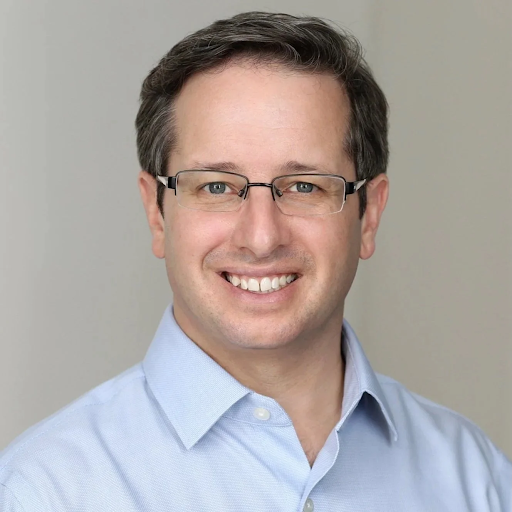
Brett Abrahams, PhD
Chief Scientific Officer
Dr. Brett Abrahams is a neuroscientist, geneticist, and drug developer with experience advancing therapeutics and building biotechnology companies. He is the Founder and President of Heppinn Biosciences, where he supports venture investors, biotechs, and foundations in identifying and developing therapeutic opportunities.
Previously, Dr. Abrahams served as Executive Vice President of Research and Development at Magnolia Neurosciences, a neurodegeneration-focused startup backed by over $50M in venture and grant funding, and as Senior Director and Head of Preclinical Biology at Ovid Therapeutics. There, he helped advance multiple neurodevelopmental and epilepsy programs into the clinic, including gaboxadol (OV101) for Angelman syndrome and soticlestat (TAK-935) for Dravet syndrome. His research has been published in leading journals including Cell, Nature, and The New England Journal of Medicine, and has been cited more than 15,000 times.
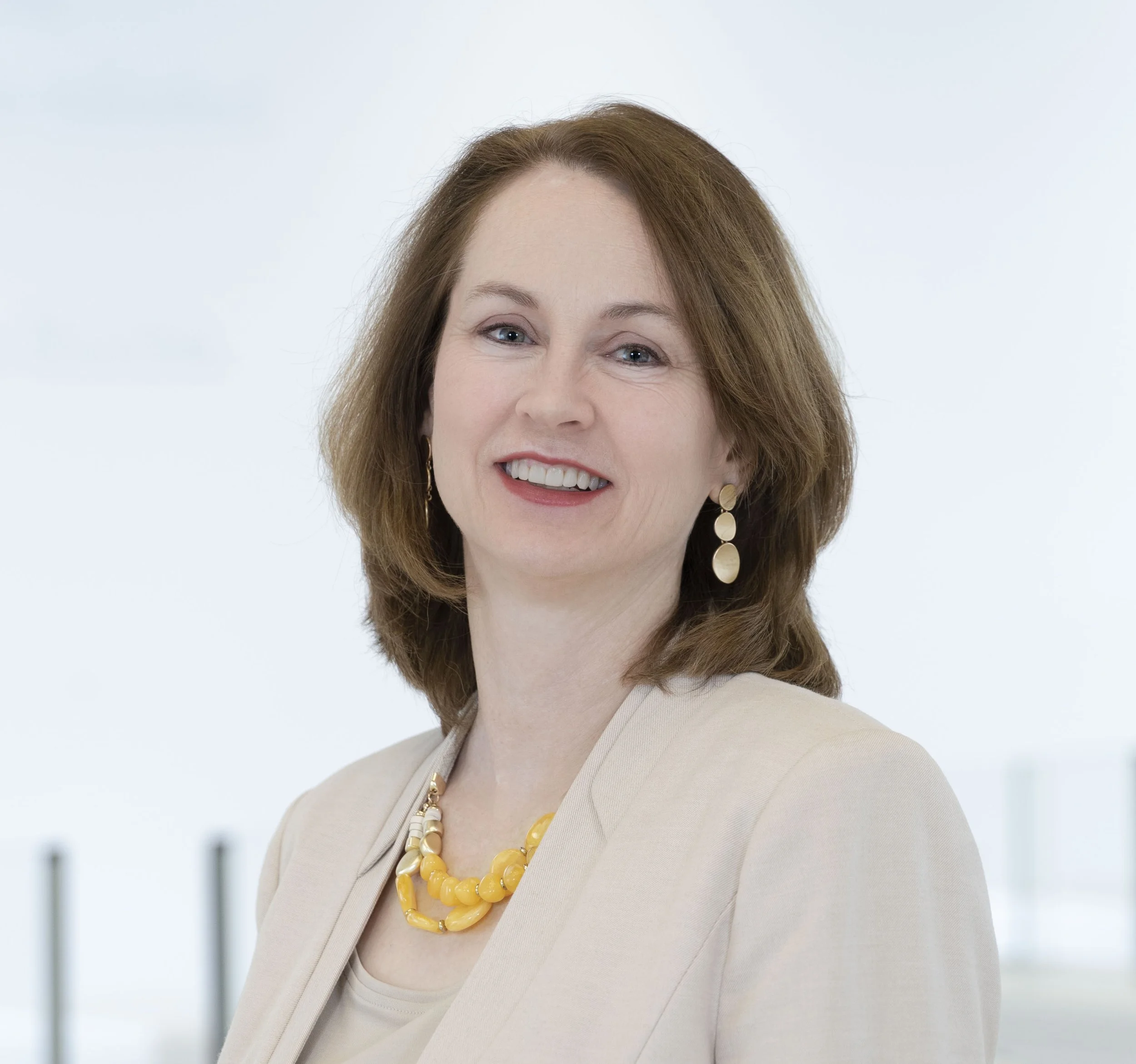
Kathryn R. Wagner, MD, PhD
Medical Advisor
Dr. Kathryn Wagner is a physician-scientist and drug development leader with deep expertise in translational medicine, clinical care, and therapeutic development for rare neurological and neuromuscular disorders. She began her career at Johns Hopkins, where she earned her MD and PhD in molecular neuroscience, led an NIH-funded translational research laboratory for more than two decades, and founded the Center for Genetic Muscle Disorders at the Kennedy Krieger Institute, caring for children and adults with neuromuscular conditions while leading clinical trials.
She later moved into industry to help advance therapies for rare diseases, serving as Vice President and Global Head of Neuromuscular Diseases at Roche, where she led programs in Duchenne muscular dystrophy and spinal muscular atrophy through late-stage development and multiple regulatory approvals. Most recently, she was Vice President and Global Head of Translational Medicine, Neuroscience at Novartis, where she oversaw early development across a broad neuroscience portfolio.
Currently, Kathryn is Professor Emerita at Johns Hopkins University, Chair of the Board of Trustees of TREAT-NMD, and a medical advisor to ARC, bringing expertise across translational science, clinical development, and the path from early discovery to approved therapies.
Scientific and Strategic Advisory Board
Our advisors bring expertise spanning community advocacy, gene discovery, regulatory strategy, biotech company formation, therapeutic development, and clinical care.
-
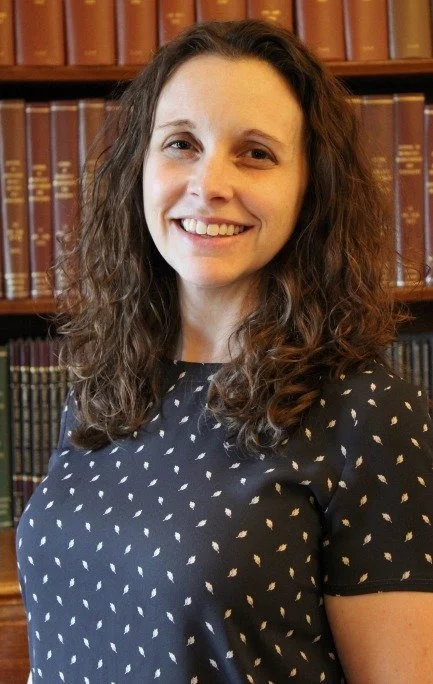
Associate Professor of Neurology and Pediatrics, Columbia University Medical Center
Dr. Jennifer Bain is a board-certified child neurologist and associate professor of neurology and pediatrics at Columbia University Medical Center. She cares for children across both inpatient and outpatient settings, with a clinical focus on autism, cerebral palsy, and genetic neurodevelopmental disorders.
Her work bridges clinical care and research, focusing on the genetics of neurodevelopmental disorders and how these insights can inform treatment development. She has contributed to research on rare conditions, including HNRNPH2, GRIN and KIF1A, and has a particular interest in emerging individualized, or n=1 therapeutic approaches.
Dr. Bain works closely with patient communities, advocacy groups and research initiatives to advance natural history understanding, define meaningful clinical outcomes and support the development of future therapies.
-
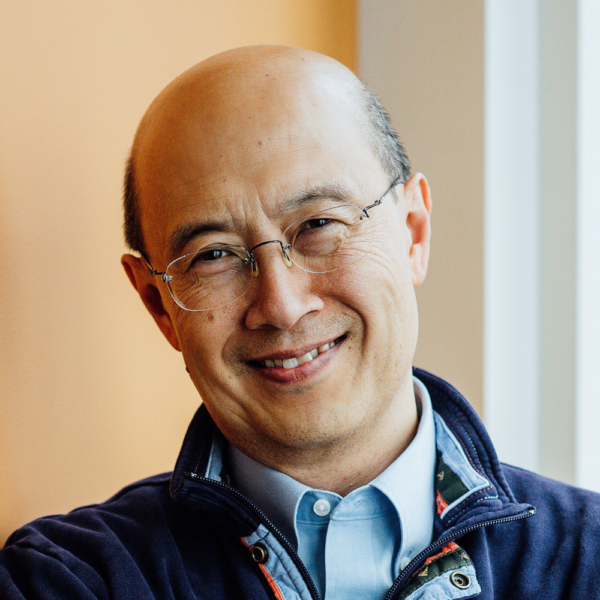
Charles E. and Susan T. Harris Professor, MIT Sloan School of Management
Director, Laboratory for Financial Engineering
Principal Investigator, Computer Science and Artificial Intelligence LaboratoryDr. Andrew W. Lo is the Charles E. and Susan T. Harris Professor at the MIT Sloan School of Management, director of MIT’s Laboratory for Financial Engineering, and a principal investigator at MIT’s Computer Science and Artificial Intelligence Laboratory.
His work sits at the intersection of finance and healthcare, with a focus on accelerating drug and device development, particularly for rare and ultra-rare diseases. His research explores new financial models for biomedical innovation, methods for incorporating patient preferences into regulatory decision-making, machine learning approaches to predicting clinical trial outcomes, and reimbursement frameworks to support a sustainable gene and cell therapy ecosystem.
Dr. Lo is a co-founder of BridgeBio Pharma, QLS Advisors, Quantile Health, and Uncommon Cures, and serves on the boards of AbCellera, BridgeBio, GCAR, n-Lorem Foundation, Uncommon Cures, and Vesalius. He is also an advisor to the American Cancer Society’s BrightEdge Impact Fund.
He received his B.A. in economics from Yale University and his A.M. and Ph.D. in economics from Harvard University.
-
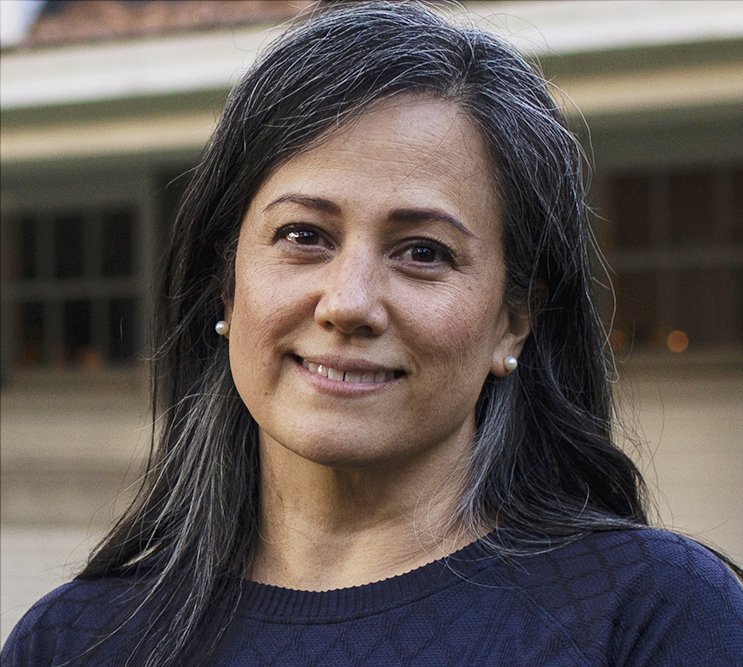
Co-Founder and Board Chair, CureSHANK
Geraldine Bliss is a rare disease advocate and nonprofit leader focused on accelerating research and therapeutic development for neurodevelopmental disorders, including Phelan-McDermid syndrome. She is the co-founder of CureSHANK, a patient advocacy organization dedicated to advancing research and treatment for SHANK-related disorders, and the Co-Founder of Start Genetic, an initiative to improve public awareness of genetic testing.
Through her work, Geraldine has built and mobilized patient communities and fostered collaboration among families, researchers, and clinicians. She brings a strong focus on translating patient and family experience into meaningful progress in research and drug development.
-
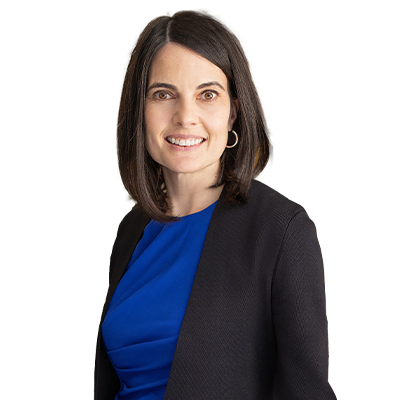
Former Chief Medical Officer, U.S. Food and Drug Administration; Advisor, Canal Row
Dr. Hilary Marston is a physician and public health leader with deep expertise in clinical development, regulatory strategy, and national health policy. She advises biotechnology and drug development organizations and investors through her work at Canal Row and previously through her firm, Marston Health.
She served as the inaugural chief medical officer at the U.S. Food and Drug Administration, where she was the primary clinical advisor to the commissioner and led cross-center efforts on clinical policy, rare disease incentives, and research participant protection. She also played a key role in the agency’s response to public health crises, including epidemics and medical product shortages.
Earlier in her career, Dr. Marston held senior roles across the U.S. government, including on the White House COVID-19 Response Team, at the National Security Council, and at the National Institute of Allergy and Infectious Diseases. She trained in internal medicine and global health equity at Brigham and Women’s Hospital and earned her MPH from the Harvard T.H. Chan School of Public Health.
-
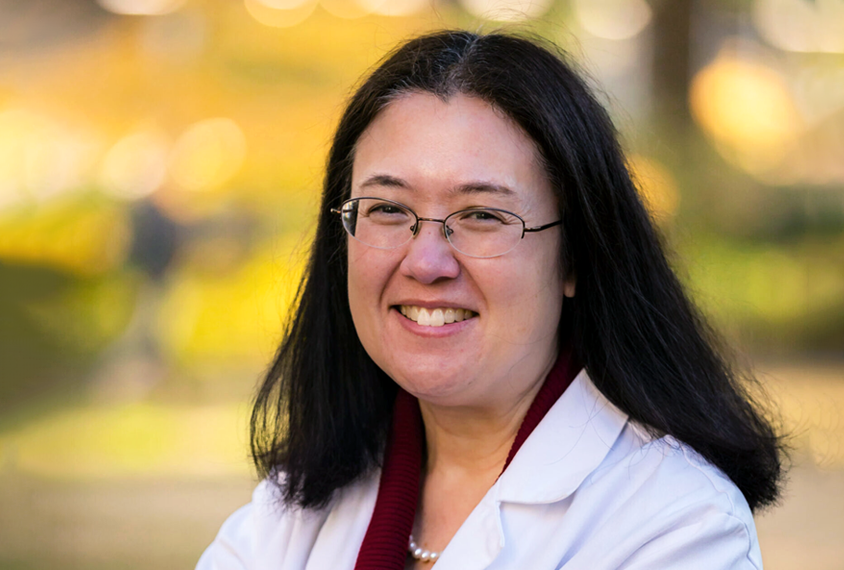
Chief of Pediatrics, Boston Children’s Hospital; Harvard Medical School
Dr. Wendy Chung is a clinical and molecular geneticist and Chief of the Department of Pediatrics at Boston Children’s Hospital, as well as the Mary Ellen Avery Professor of Pediatrics at Harvard Medical School. A leader in rare genetic disease, she has identified more than 60 novel genetic conditions, five of which bear her name.
She directs NIH-funded research programs spanning autism, congenital disorders, cancer and cardiometabolic disease, and has led major efforts to expand newborn screening, including for spinal muscular atrophy and Duchenne muscular dystrophy. She currently leads the GUARDIAN study, which uses genomic sequencing to screen newborns for rare diseases, and serves as a Principal Investigator for Simons Searchlight, advancing research in rare neurodevelopmental disorders.
Dr. Chung is a nationally recognized expert in the ethical, legal, and social implications of genomics. She is a member of the National Academy of Medicine and a recipient of the Rare Impact Award from the National Organization for Rare Disorders.
-
Clinical Development Consultant
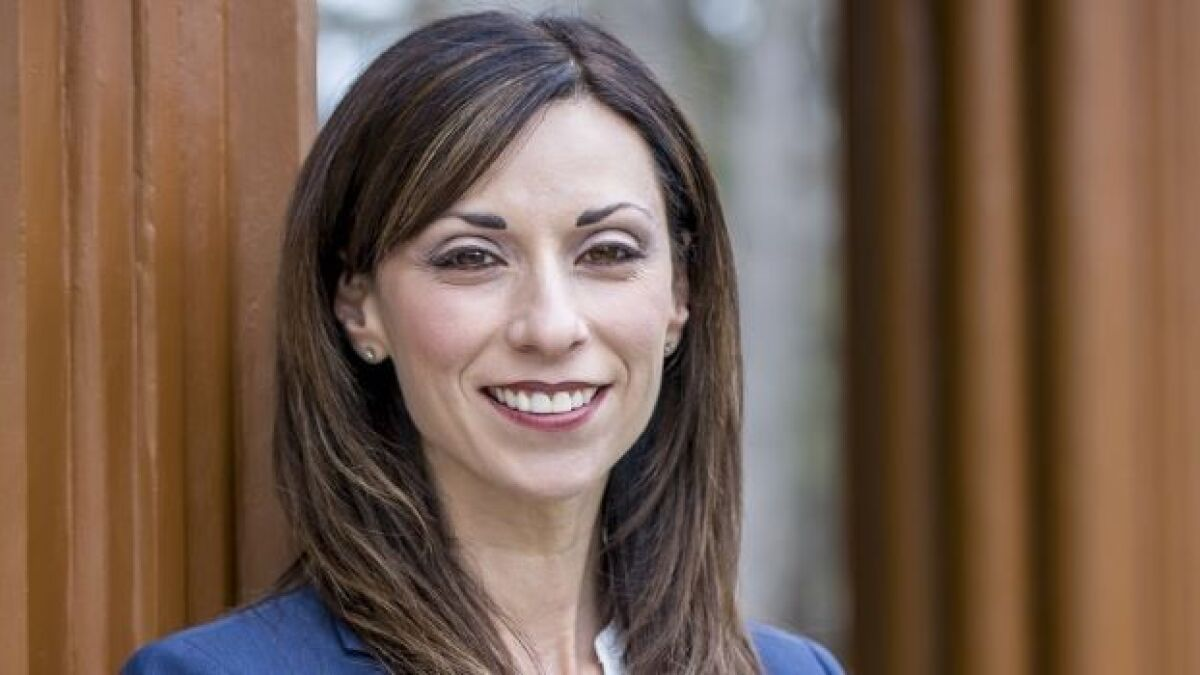
Dr. Michelle Mellion is a neurologist and biotech executive with extensive experience leading clinical development in rare neurological and neuromuscular diseases. She most recently served as Chief Medical Officer at EveryONE Medicines, where she oversaw global clinical strategy and the development of individualized therapies for children with ultra-rare conditions.
Previously, Dr. Mellion served as Chief Medical Officer at PepGen, leading clinical programs for next-generation oligonucleotide therapeutics. She has also held senior roles at Fulcrum Therapeutics, Vertex Pharmaceuticals and Biogen, contributing to multiple rare disease programs from early development through clinical trials.
Dr. Mellion trained in neurology at Brown University and is board-certified in neurology and clinical neurophysiology.

-
Neurologist, NYU Langone Epilepsy Center
Head of Clinical Strategy, Praxis Precision Medicines
Managing Partner, PhiFund
Dr. Orrin Devinsky is a neurologist at the NYU Langone Epilepsy Center, one of the world’s leading centers for epilepsy care and research. He has played a central role in studies leading to the approval of more than 10 antiseizure medications and neuromodulatory devices, and served as Principal Investigator for the landmark FDA approval of cannabidiol, a cannabis-based therapy for epilepsy.
Dr. Devinsky has authored more than 500 peer-reviewed publications and edited over 20 books spanning neurology, psychiatry, neurosurgery, cognition, and basic science. He serves or has served on the scientific advisory boards of more than a dozen rare disease organizations.
In addition to his academic and clinical work, Dr. Devinsky is actively involved in translational medicine and venture investment. He has founded multiple gene therapy and molecular biology startups and serves on the boards of several biotech companies developing novel therapeutics. He is also a Managing Partner at PhiFund, where he focuses on identifying and supporting innovative companies at the intersection of neuroscience, biotechnology, and precision medicine.
-
Managing Director, Dracaena Consulting SL
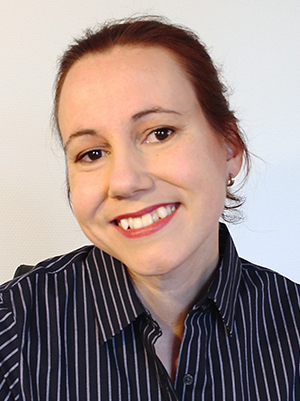
Ana Mingorance is a drug development strategist focused on advancing therapies for rare neurological diseases. She works with biopharmaceutical companies and rare disease foundations to guide programs from early discovery through clinical development and commercialization.
She brings more than 20 years of experience across biotech and pharma, including roles at UCB Pharma and as an independent consultant through her firm, Dracaena Consulting. She has supported more than 20 companies across programs spanning preclinical development through Phase 3 and approval.
Dr. Mingorance is also Chief Development Officer of the Loulou Foundation and scientific director of the DHPS Foundation. She has held leadership roles at CureSHANK and the Dravet Syndrome Foundation Spain. Across these roles and works to accelerate progress across emerging rare disease fields.
AUTS2 Research Partners
Globally recognized researchers across North America, Europe, Asia, and the Middle East working with ARC to deepen understanding of AUTS2 and accelerate progress for affected individuals and families.
We welcome researchers who are interested in contributing to this effort to get in touch.
-
Professor of Bioengineering and Therapeutic Sciences, University of California, San Francisco
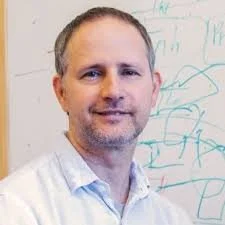
Dr. Nadav Ahituv is a Professor in the Department of Bioengineering and Therapeutic Sciences and Director of the Institute for Human Genetics at the University of California, San Francisco. He received his PhD in human genetics from Tel Aviv University, where he studied hereditary hearing loss, and completed postdoctoral training in functional genomics at Lawrence Berkeley National Laboratory and the DOE Joint Genome Institute in the lab of Len Pennacchio.
Dr. Ahituv’s research focuses on identifying gene regulatory elements and understanding how genetic variation within these regions influences human disease, drug response, and phenotypic diversity. His lab has pioneered the development and application of massively parallel reporter assays, enabling high-throughput functional characterization of regulatory elements. This work helps uncover novel therapeutic targets and informs the development of regulatory element–based diagnostics and treatments.
-
Peking University Sixth Hospital (Institute of Mental Health)
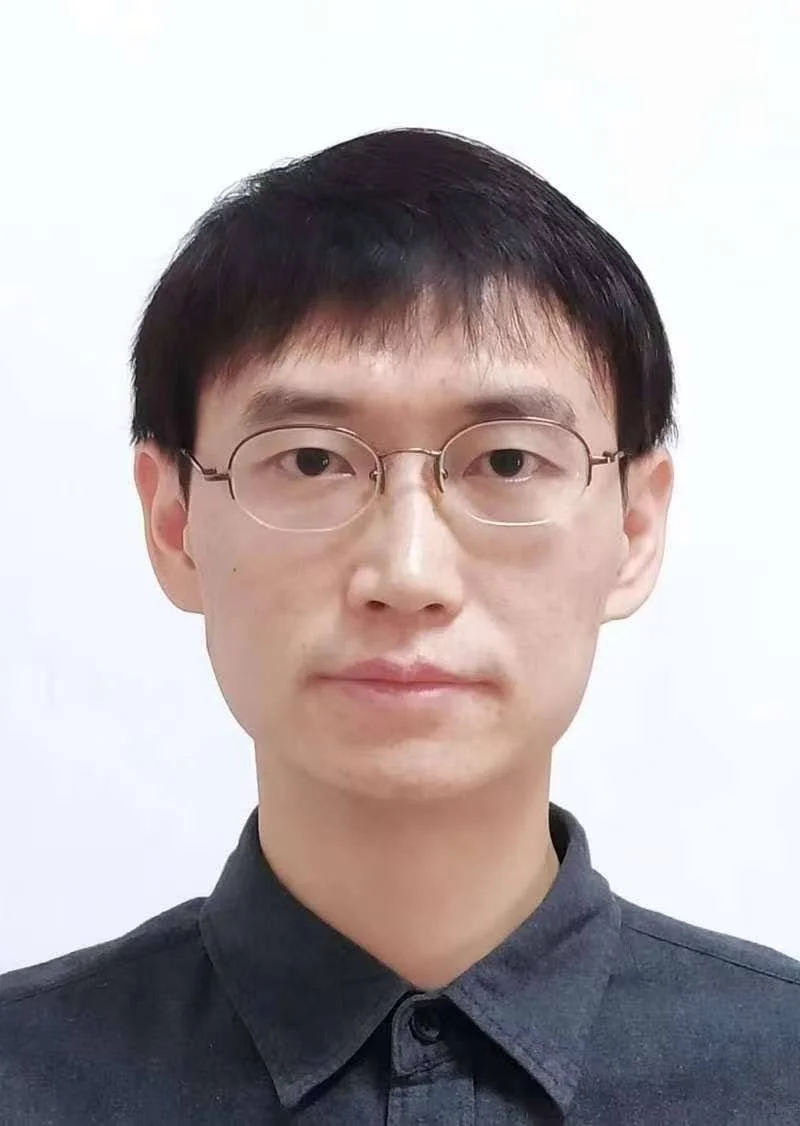
Dr. Jun Li is a researcher at Peking University Sixth Hospital (Institute of Mental Health) in Beijing, China. He earned his bachelors degrees in Medicine and Psychology, as well as a PhD in Psychiatry, from Peking University.
His research focuses on the molecular genetics and neurobiological mechanisms underlying psychiatric and neurodevelopmental disorders, including AUTS2. His lab studies how risk genes influence neurodevelopment, synaptic function and behavior using a combination of molecular approaches and animal models.
Dr. Li’s work aims to identify therapeutic targets and advance the development of potential interventions for neurodevelopmental and psychiatric conditions.
-
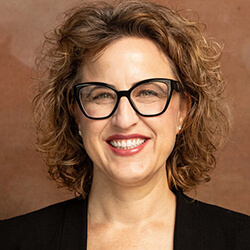
Assistant Professor of Pediatrics, Seattle Children’s Research Institute
Dr. Kimberly Aldinger is an assistant professor at the University of Washington and a principal investigator at Seattle Children’s Research Institute. Her lab investigates how genetics and prenatal injuries influence brain development. Her lab uses human tissue, stem cell models and genomic tools to understand how genetic changes disrupt cellular pathways and to identify specific targets for new therapies. She has co-discovered the genetic causes of many rare neurodevelopmental disorders and established the first single-cell atlas of the developing human cerebellum.
A focus of her current research is the AUTS2 gene. Her team has identified a group of patients with mutations in a specific region of the AUTS2 protein who share distinct clinical features, highlighting how different mutations in the same gene can act through different molecular mechanisms and may require tailored treatments.
Dr. Aldinger earned her PhD in neurobiology from the University of Chicago and completed postdoctoral training at the University of Southern California and Seattle Children’s. Her work is also informed by her experience as a rare disease advocate and a mother to twins with cerebral palsy and a rare genetic epilepsy.
-
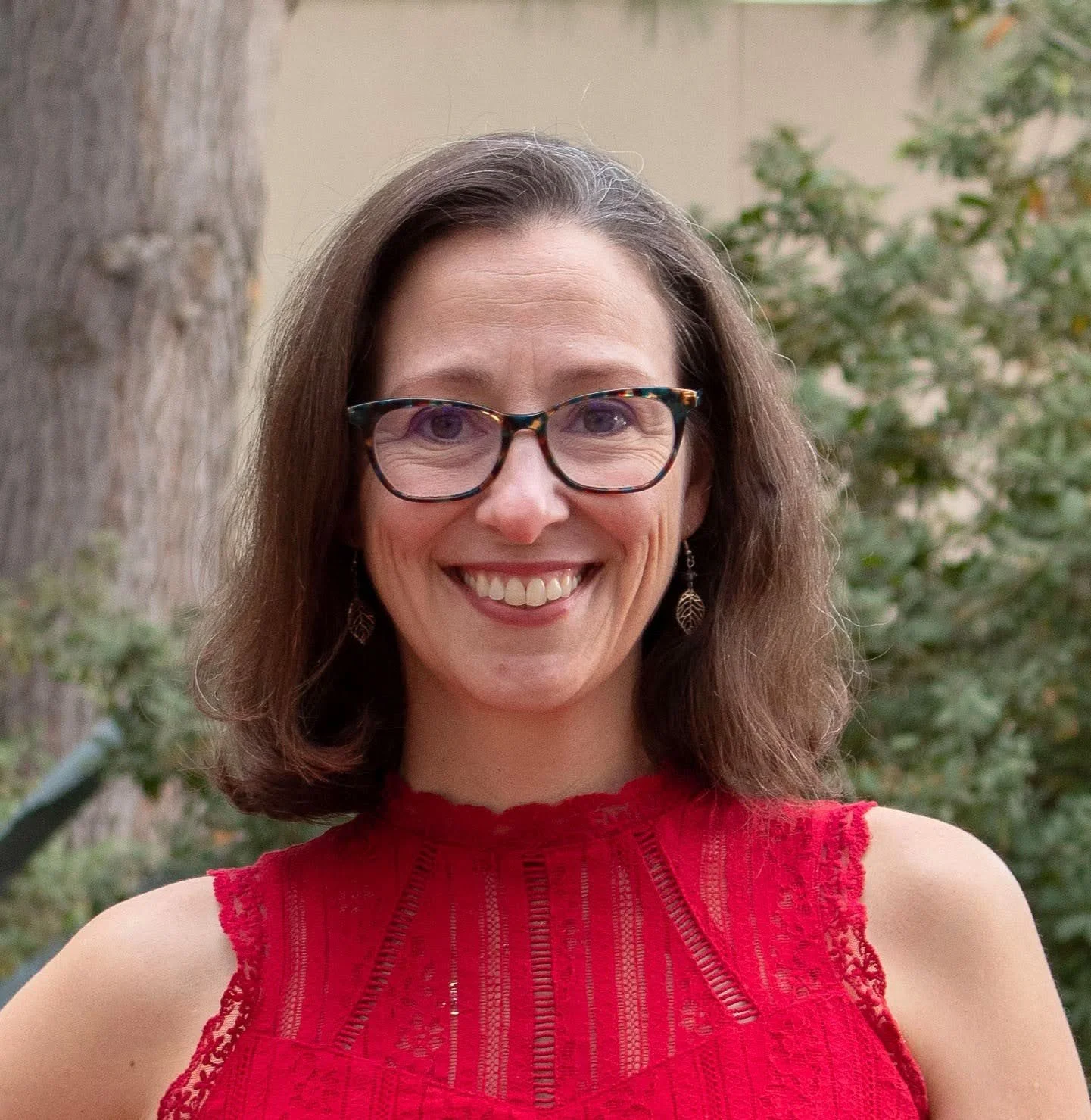
Associate Professor, University of California San Diego
Dr. Maria Carolina Marchetto is an assistant professor at the University of California, San Diego and an adjunct professor at the Salk Institute for Biological Studies. She earned her PhD in biological sciences and microbiology at the University of São Paulo and completed postdoctoral training in stem cell biology and neuroscience in the laboratory of Fred Gage at the Salk Institute.
Her research integrates stem cell biology and neuroscience to study human brain development and neurodevelopmental disorders. Her lab develops human stem cell–based models to investigate conditions including autism, intellectual disability and AUTS2 syndrome. Her work has helped characterize AUTS2 as a dual DNA- and RNA-binding protein, advancing understanding of how gene regulation shapes neural development.
Dr. Marchetto is a BRAINS Program Fellow and her research has been supported by the National Institute of Mental Health, the California Institute for Regenerative Medicine and other leading research organizations.
-
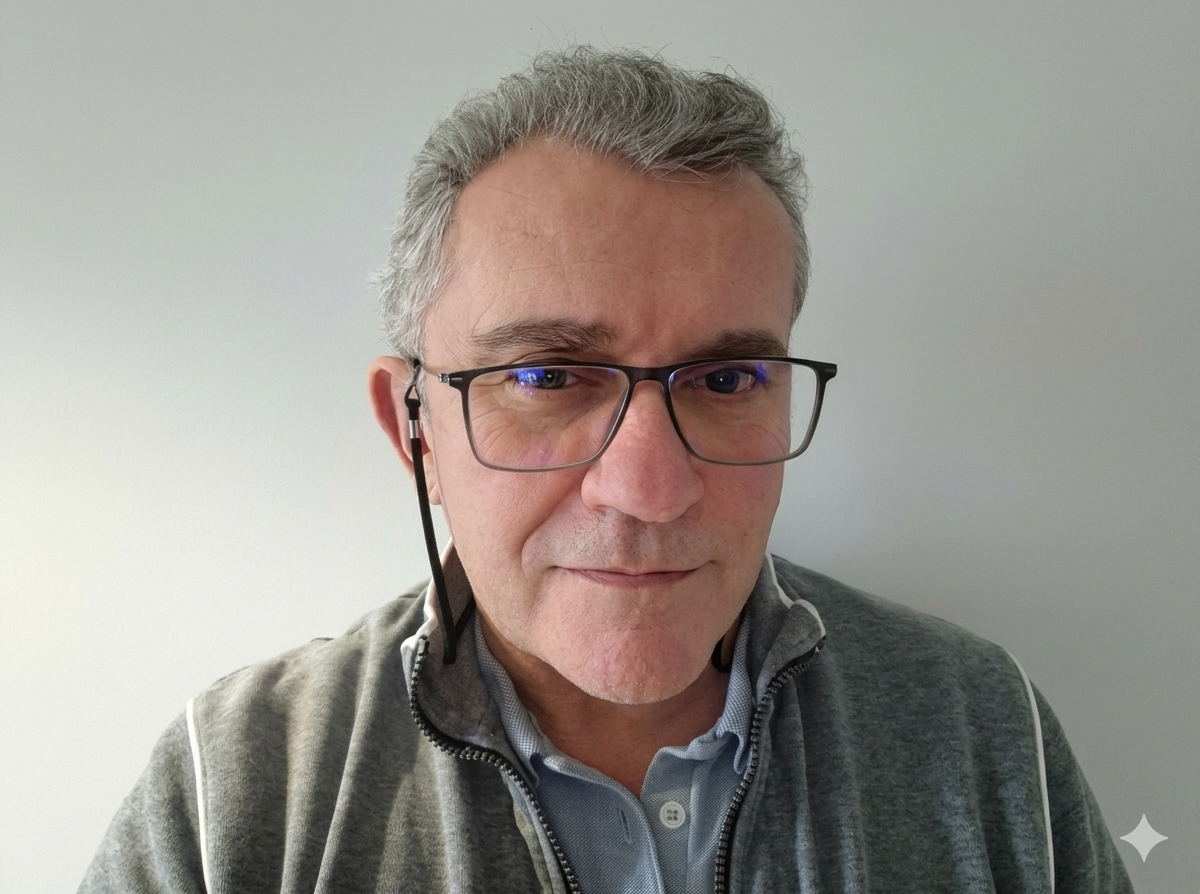
Exceptional Class Research Director at Centre National de la Recherche Scientifique
Dr. Yann Hérault is an Exceptional Class Research Director at the Centre National de la Recherche Scientifique and a leading expert in mouse genetics and neurodevelopmental disorders. He is based at the Institut de Génétique et de Biologie Moléculaire et Cellulaire in Strasbourg, where he heads the Mouse Clinical Institute (ICS).
Dr. Hérault’s research focuses on gene dosage and its role in neurodevelopmental disorders. His work has advanced understanding of conditions including Down syndrome, 16p11.2 deletion and duplication syndromes, and monogenic disorders involving genes such as DYRK1A, PTCHD1, and AUTS2. His lab develops mouse and rat models to uncover disease mechanisms and explore therapeutic strategies.
He has also led major scientific infrastructure efforts, including CELPHEDIA and INFRAFRONTIER, and contributed to global initiatives such as the International Mouse Phenotyping Consortium, helping to accelerate progress toward treatments.
-
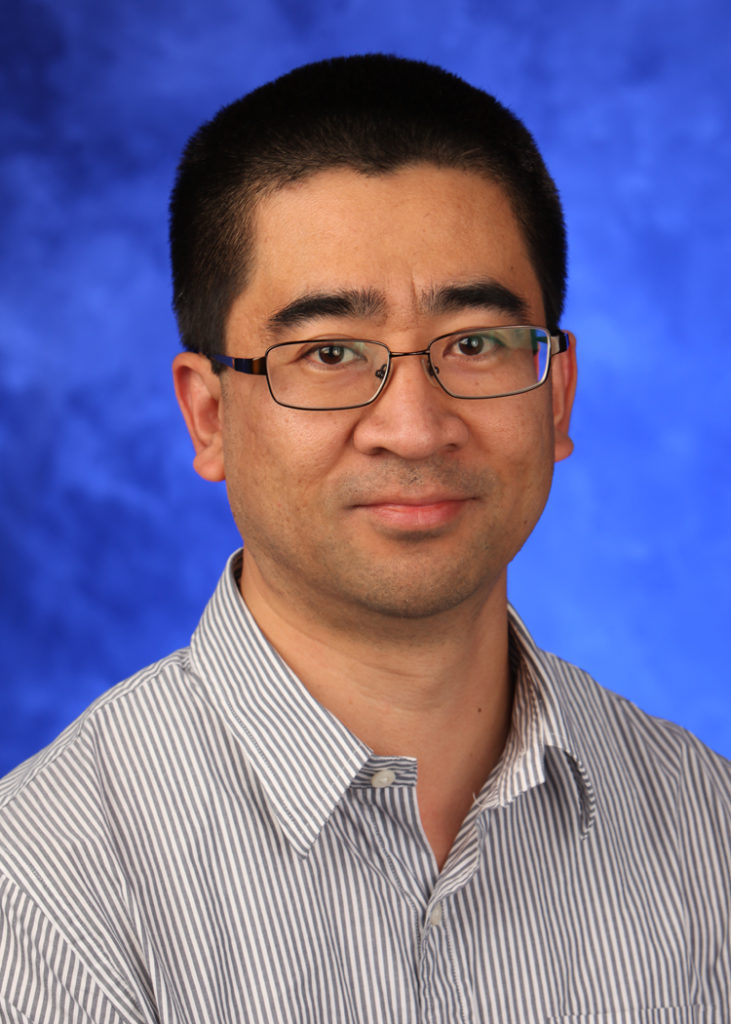
Professor of Biochemistry and Molecular Biology, Shenzhen University of Advanced Technology
Dr. Zhonghua Gao is a molecular biologist and professor at Shenzhen University of Advanced Technology. His research focuses on epigenetic regulation and chromatin biology, with particular emphasis on Polycomb group proteins and their role in stem cell differentiation and neurodevelopment.
His work has contributed to understanding the role of AUTS2 in gene regulation, including the discovery of an AUTS2-Polycomb complex that activates gene expression in the central nervous system. He uses a combination of biochemical, genomic and cellular approaches to study the molecular mechanisms underlying neurodevelopmental disorders and identify pathways relevant to therapeutic development.
-
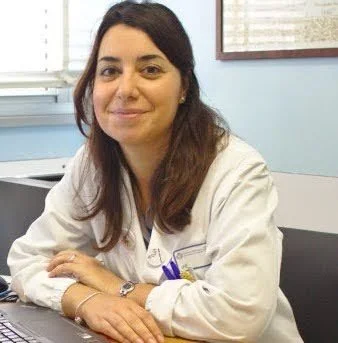
Medical Director, Clinical Genetics, University Hospital of Siena
Dr. Anna Maria Pinto is a medical geneticist and medical director at the University Hospital of Siena, where she specializes in rare genetic and neurodevelopmental disorders. Her work spans clinical care and research, with expertise in genomic medicine, next-generation sequencing and the molecular basis of disease.
She trained in medical genetics in Rome and conducted postdoctoral research at the University of Pennsylvania in the laboratory of Gideon Dreyfuss, contributing to foundational discoveries in RNA biology and gene regulation.
Dr. Pinto has contributed to understanding of AUTS2-related syndrome through large-scale European cohort studies and ongoing clinical and genomic research. Her work focuses on translating genetic insights into clinical understanding and therapeutic direction, including the use of patient-derived cellular models and gene editing approaches. More broadly, her research bridges diagnosis and treatment-focused work across rare diseases, with the goal of advancing targeted therapies.
-
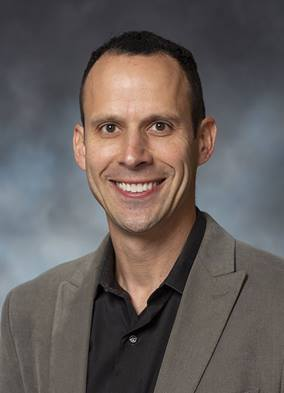
Associate Professor of Pediatrics, Nationwide Children’s Hospital
Dr. Mark Hester is an Associate Professor in the Department of Pediatrics at The Ohio State University and a Principal Investigator in the Institute for Genomic Medicine at Nationwide Children's Hospital. He leads a translational neuroscience research program focused on understanding the molecular and cellular basis of neurodevelopmental disorders and developing therapies that target their root causes.
His lab uses patient-derived induced pluripotent stem cells (iPSCs), human brain organoid models, genome editing tools, and other advanced approaches to study disease mechanisms. His team was among the first to investigate AUTS2 using patient-derived brain organoids and is actively developing AAV-based genetic therapies and other therapeutic strategies for neurodevelopmental disorders.
His work is focused on translating scientific discovery into treatments that meaningfully improve outcomes for children with neurologic conditions.
-
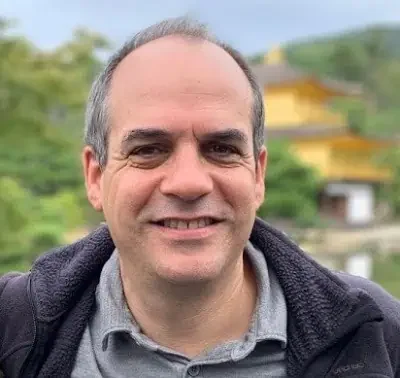
Professor of Genetics, Hebrew University of Jerusalem
Dr. Sagiv Shifman is a professor in the Department of Genetics at The Hebrew University of Jerusalem and holds the Arnold and Bess Zeldich Ungerman Chair in Neurobiology. He earned his Ph.D. from the Hebrew University and completed postdoctoral training at the Wellcome Trust Centre for Human Genetics at the University of Oxford.
His research combines human genetics, functional genomics and animal models to uncover the mechanisms underlying neurodevelopmental disorders, particularly autism spectrum disorder. His lab uses genome-wide approaches, including CRISPR screening, transcriptomics and epigenomics, to study how genetic variation disrupts gene regulation and affects brain development and function.